Why Senior Cats Lose Weight (It's Often the Opposite Problem You'd Expect)
By Leonardo Fonseca · 2026-09-22
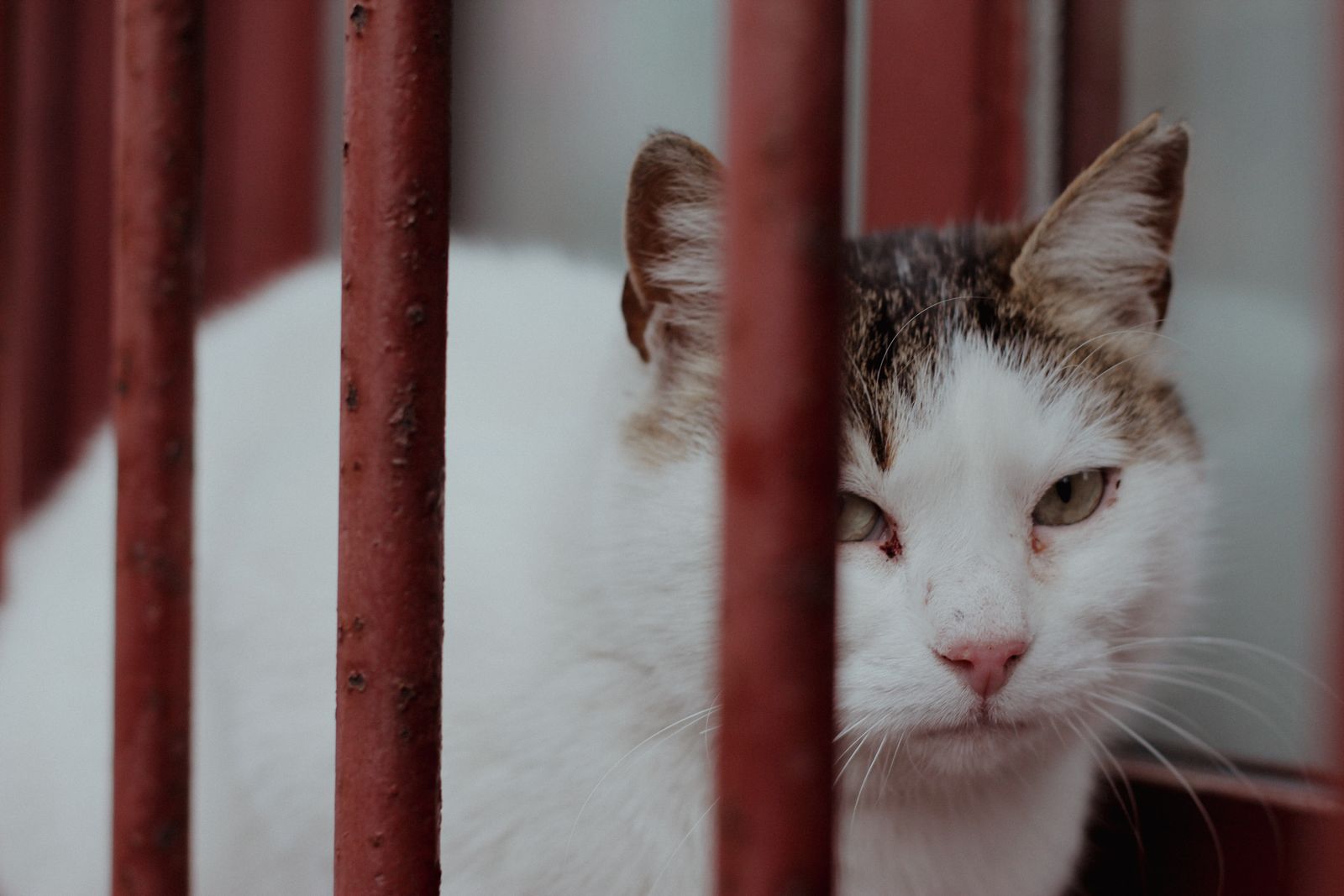
Most senior pet care advice focuses on preventing weight gain, which makes sense for dogs but misses a pattern that's common in senior cats: steady weight loss, sometimes while the cat is eating the same amount or even more than before. That combination, losing weight while eating normally or more, is specific enough that it deserves its own conversation.
The two conditions that come up most
Two causes account for a large share of unexplained senior cat weight loss, and they point in different directions:
- Hyperthyroidism. An overactive thyroid speeds up metabolism, so the cat burns through calories faster than it can eat them, often accompanied by increased appetite, restlessness, and sometimes a faster heart rate. It's one of the most common hormonal conditions in senior cats and is usually manageable with medication, diet, or in some cases a more permanent treatment, once diagnosed with a blood test.
- Chronic kidney disease. This tends to reduce appetite rather than increase it, and weight loss here often comes with increased thirst and urination. The management looks completely different from hyperthyroidism, which is exactly why guessing instead of testing is a real risk.
Both are common enough in senior cats that a vet will usually test for both directly rather than treating one as more likely by default.
Why "eating fine" doesn't rule anything out
Customers often delay a vet visit because the cat is still eating, sometimes eating well, and equate appetite with health. With hyperthyroidism specifically, a good or increased appetite alongside weight loss is a classic pattern, not a reassuring sign. Waiting for appetite to drop before getting it checked means waiting past the point where the condition was easiest to catch and manage.
How to actually catch this early
A body condition check by feel is more reliable than the household scale, especially for an indoor cat whose weight isn't checked often. Feeling the spine and ribs during a normal petting session, without making it a production, is something owners can genuinely do at home between vet visits. A noticeable change since the last time you paid attention is worth mentioning at the next visit, even before it looks dramatic.
What I tell customers
Don't treat "still eating" as proof a senior cat is fine, and don't assume weight loss on its own means the cat is simply eating less. Get bloodwork that checks thyroid and kidney values specifically rather than guessing between the two, since the right management plan depends entirely on which one it actually is.