Tooth Resorption in Senior Cats: A Dental Problem Specific to Cats
By Leonardo Fonseca · 2026-09-22
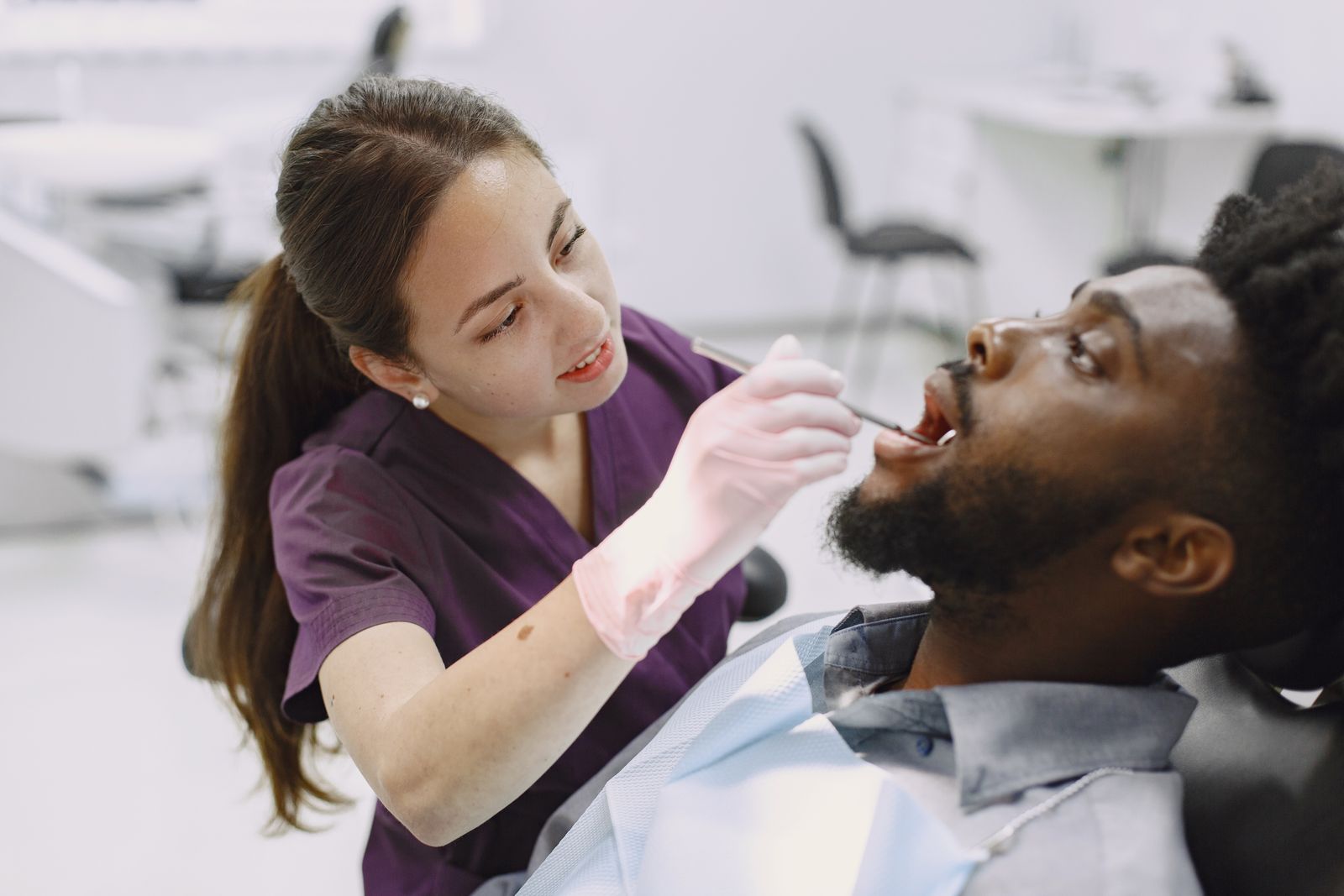
Dental disease in senior pets gets discussed mostly in general terms, tartar, gum inflammation, bad breath, which applies reasonably well to dogs. Cats develop a distinct condition, tooth resorption, where the tooth structure itself breaks down starting below the gumline, and it doesn't always show the same obvious signs owners are watching for.
What's actually happening
In tooth resorption, the body starts breaking down the tooth's own structure, often beginning at the root or below the gumline where it isn't visible during a casual look in the cat's mouth. By the time a change is visible from the outside, like a reddened area on the gum or a visibly damaged tooth, the process has often been going on for a while already. This is different from typical periodontal disease, where the progression from plaque to visible damage is usually easier to track.
Why it's easy to miss entirely
Cats are exceptionally good at hiding oral pain, often continuing to eat normally, including eating dry food, even with significant tooth resorption present. Owners commonly assume that a cat eating well means the mouth is fine, which isn't a reliable assumption here the way it might be for some other conditions. Some cats show no obvious behavior change at all until the condition is fairly advanced.
Signs that are worth watching, even though they're subtle
Chewing more on one side of the mouth, dropping food while eating, increased drooling, or reduced interest in dry food or dental chews specifically (while still eating wet food normally) are all worth mentioning at a vet visit. None of these confirm tooth resorption on their own, but the combination, or any of them showing up in a senior cat, is reason to ask for a dental exam that specifically looks for it, since it requires dental X-rays to properly diagnose, not just a visual check.
Why regular dental exams matter more for cats than the visible signs suggest
Because so much of tooth resorption happens below the gumline, a routine oral exam at senior wellness visits catches more than waiting for a cat to show obvious signs of pain. Dental X-rays periodically, not just a visual look, are the only way to catch resorption before it's advanced, which is part of why an oral assessment belongs at every senior cat wellness visit, not just when something looks obviously wrong.
What I tell customers
Don't rely on your cat's appetite or behavior to tell you the mouth is healthy. Tooth resorption is common enough in senior cats, and hidden enough in its early stages, that a dedicated dental exam, including X-rays when your vet recommends them, is worth asking for specifically rather than waiting for a sign that might not show up until much later.