Managing Incontinence in Senior Dogs: What's Actually Going On
By Leonardo Fonseca · 2026-09-22
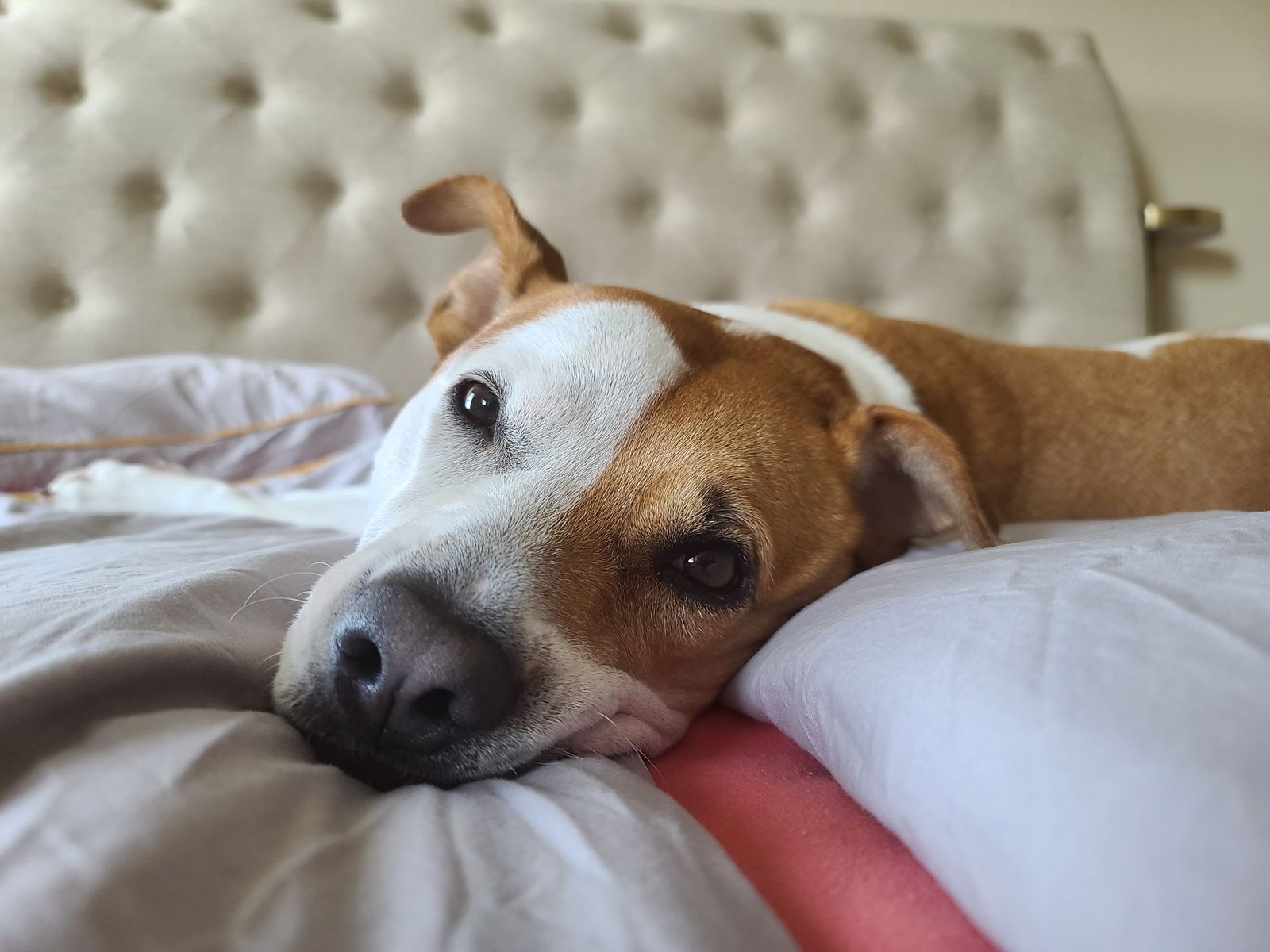
A dog that's been reliably house-trained for years and suddenly starts leaking urine, especially while sleeping or resting, puts owners in a tough spot emotionally. The instinct is often to assume it's a behavioral regression or "just old age," when in a lot of cases there's a specific, sometimes very treatable cause behind it.
Why this isn't the same as a house-training lapse
True incontinence, leaking without the dog seeming aware it's happening, especially during sleep, is fundamentally different from a house-training accident, where the dog usually shows some awareness or discomfort about it. Confusing the two leads owners toward behavioral fixes for what's actually a medical issue, which wastes time the dog doesn't need to lose.
Common causes worth ruling out
A few specific causes come up often enough to be worth naming directly, rather than treating incontinence as one vague catch-all problem:
- Urinary tract infection: Common and very treatable with antibiotics once confirmed by a urine test. This is usually the first thing a vet rules out, since it's the easiest fix.
- Spay-related hormone-responsive incontinence: More common in spayed female dogs, related to reduced estrogen affecting bladder sphincter control. Often responds well to medication specifically for this cause.
- Age-related weakening of the bladder sphincter: A more general senior change, sometimes managed with medication similar to the hormone-responsive cases, sometimes with a different approach depending on what a vet exam finds.
- Underlying conditions like diabetes or kidney disease: These increase urine volume and frequency in ways that can look like incontinence but stem from a different mechanism, and require managing the underlying condition rather than the bladder itself.
A urine test and a real conversation with a vet about which of these fits is a far better starting point than guessing or assuming it's untreatable.
Managing it day to day while sorting out the cause
Washable, reusable dog diapers or belly bands can help manage the mess while the underlying cause is being diagnosed and treated, but they're a bridge, not the solution. Waterproof bedding covers reduce cleanup stress in the meantime. The goal is to get through the diagnostic process without the mess itself becoming a reason to give up on treatment before it's had a chance to work.
What I tell customers
Don't assume incontinence is untreatable just because your dog is a senior. A meaningful share of cases have a specific, identifiable cause that responds to treatment, and even the ones that don't fully resolve are usually manageable well enough that it doesn't need to define your dog's remaining years. A urine test at your vet is the actual first step, not a diaper.