Dental Disease in Senior Pets: Why It's Riskier Than People Assume
By Leonardo Fonseca · 2026-09-21
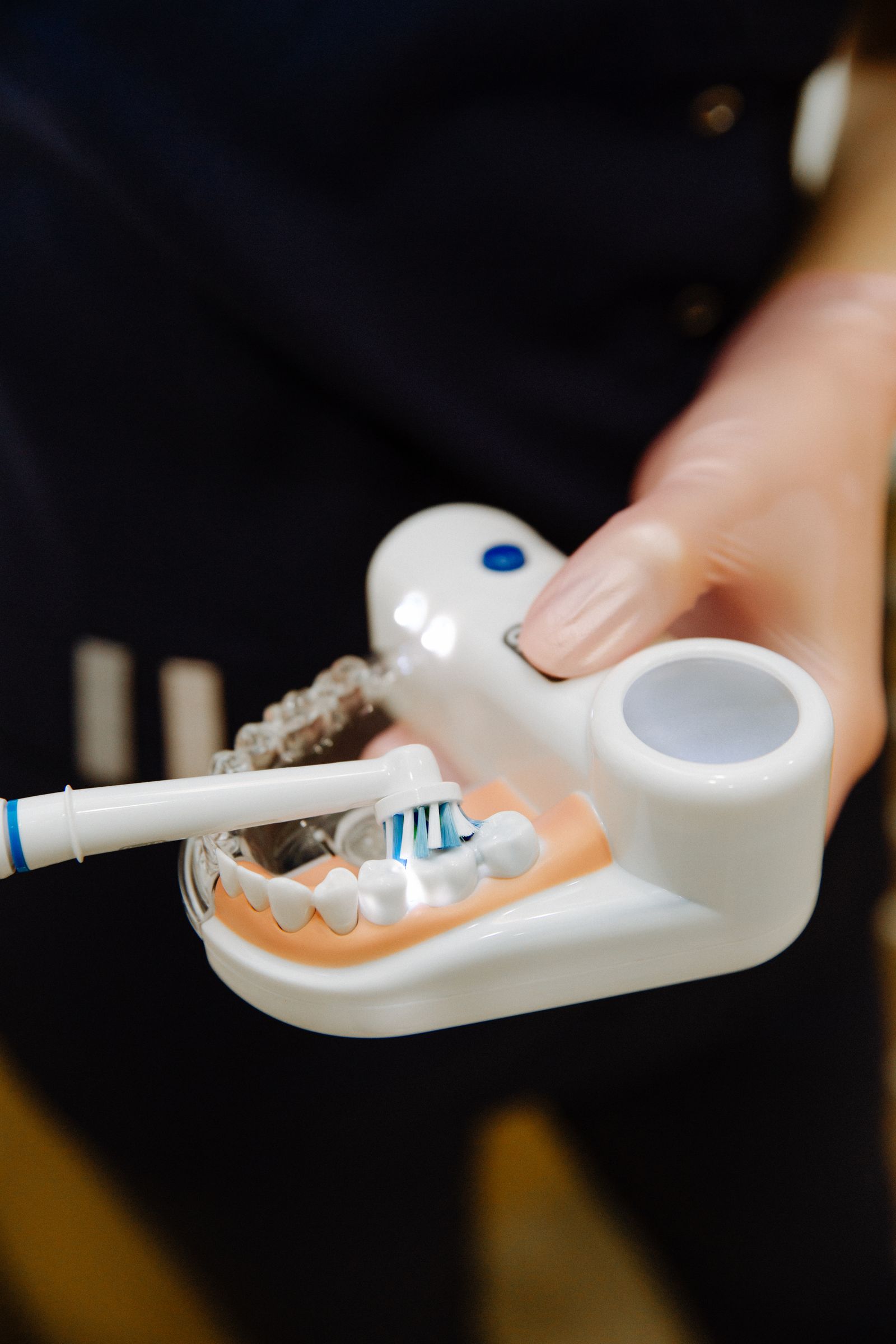
"His breath has always been a little rough" is one of the most common things I hear from owners of senior dogs and cats, usually said with a shrug. It's also one of the more consequential things owners underestimate, because by the time breath odor is noticeable, there's usually active periodontal disease behind it, not just a smell to tolerate.
Why this matters more in senior pets specifically
Periodontal disease is cumulative: plaque becomes tartar, tartar drives gum inflammation, and untreated inflammation eventually causes bone loss around the tooth roots. A senior pet has had decades, relatively speaking, for that process to progress further than a younger pet's. By age 8-10 in dogs and cats without regular dental care, it's common to see periodontal disease advanced enough that some teeth are already loose or abscessed, often without the pet showing obvious pain; animals are very good at eating around a painful tooth without any visible sign to the owner.
It's not just about the mouth
This is the part that gets missed most. Chronic periodontal infection introduces bacteria into the bloodstream continuously, and there's real evidence linking long-term untreated dental disease to added strain on the kidneys and heart valves in older pets, organs that are often already working with reduced reserve capacity in a senior animal. I don't say this to alarm owners, but it reframes dental care from "nice to have" to something that connects directly to the other senior health issues covered elsewhere on this site, like kidney monitoring and cardiac health.
The anesthesia hesitation, addressed directly
This is the single biggest reason senior pets don't get dental cleanings: owners are afraid of anesthesia at an advanced age. It's a reasonable concern, not one to brush aside, but a proper pre-anesthetic workup (bloodwork, sometimes chest X-rays or an EKG depending on the pet's history) changes the risk calculation substantially. A senior pet cleared by pre-anesthetic screening is a very different risk profile than an unscreened senior pet under anesthesia. The comparison that actually matters isn't "anesthesia risk vs. no risk"; it's "anesthesia risk under proper screening vs. the ongoing risk of untreated periodontal infection." In most cases vets describe to customers, the second risk is the larger one over time.
What a home routine can and can't do at this stage
Daily brushing is genuinely effective for prevention, but it doesn't reverse tartar that's already built up below the gumline; no home product does, regardless of what packaging implies. Dental chews and water additives can help slow accumulation between cleanings, but they're a supplement to professional cleaning, not a substitute for it once disease is already established. Owners sometimes delay a needed cleaning because a home routine is "helping," without realizing home care and professional cleaning are solving different parts of the problem.
What vets recommend
Ask your vet for an oral exam at every senior wellness visit, not just when something looks obviously wrong, and have a real conversation about pre-anesthetic screening rather than defaulting to "no anesthesia at this age" as a blanket rule. Age alone isn't a reason to skip a needed dental cleaning; screened health status is what should drive that decision.